Sometimes The
Scar Isn't The
Hardest Part
For many clients the physical healing happened years ago. But every time they look in the mirror, they still see:
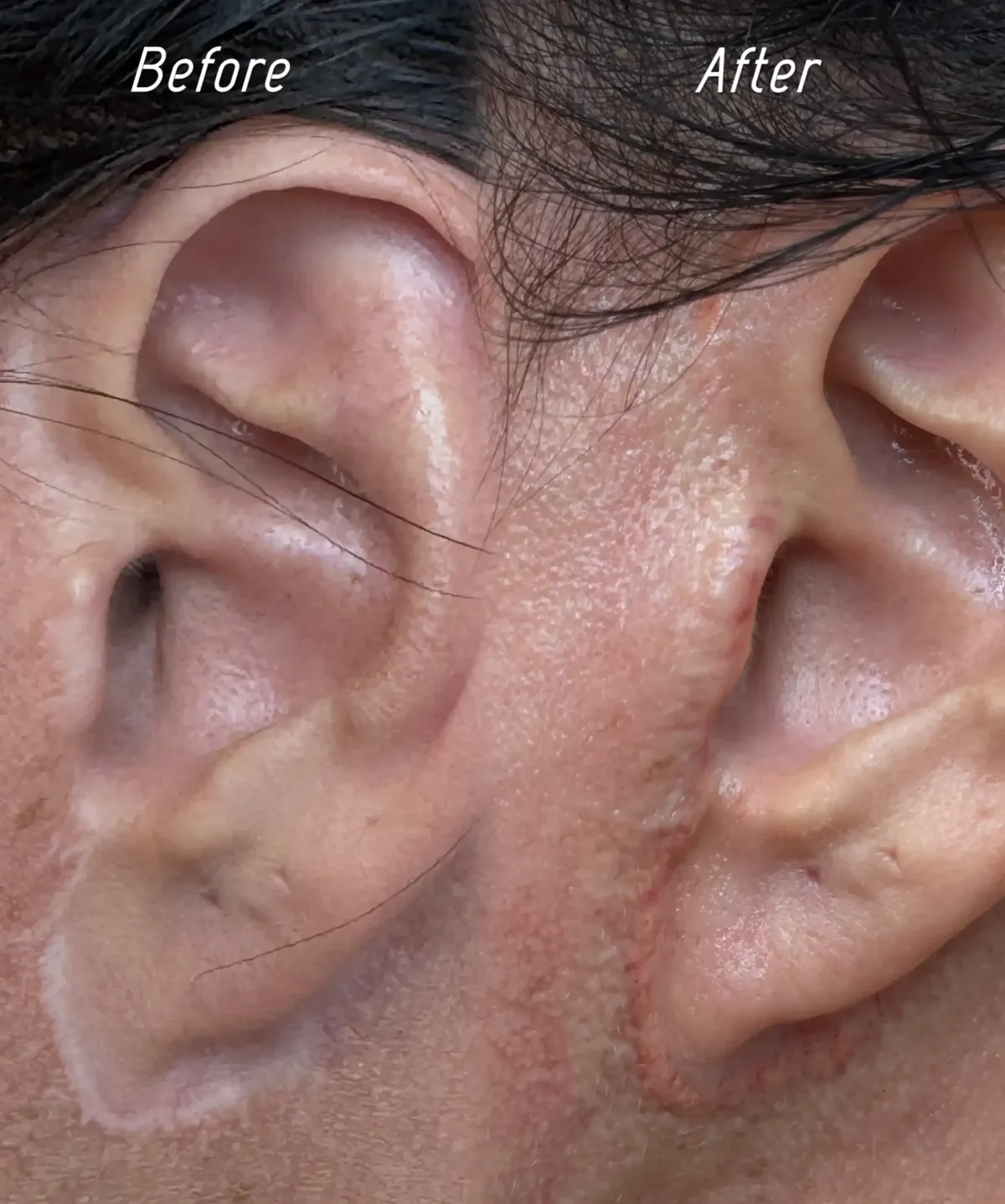
The surgery
The injury
The procedure
The experience they thought they left behind
Paramedical Tattoo™ is not about pretending the skin never changed. It's about helping the skin appear more balanced, more natural, less distracting and more visually integrated — because confidence often comes from what no longer demands your attention.
FUT Scar Camouflage™
FUE Scar Camouflage™
Areola Repigmentation™
Hyperpigmentation Blending™
Hypopigmentation Camouflage™
Surgical Scar Camouflage™
Skin Tone Restoration™
Advanced Corrective Camouflage™
Pigment Matched To Every Skin Tone

The Goal Is Not To
Hide The Skin.
It's Natural
Visual
Integration.
Many people believe scar camouflage means covering the skin. It doesn't.
The Goal Is Not
Heavy pigment
Obvious camouflage
Artificial coverage
The Objective Is
Softness
Visual harmony
Realism
Natural integration
• Every scar behaves differently
• Every skin condition heals differently
• Every person carries a different story
That's why successful restorative tattoo requires more than pigment:
It Requires
Advanced color understanding
Controlled implantation
Realistic expectations
Careful long-term planning
● Because the skin eventually reveals the quality of the work
— What Is Paramedical Tattoo?
What Is Paramedical Tattoo?
A highly specialized form of restorative tattoo designed to improve the appearance of scars, pigment loss, surgical changes, skin discoloration and visual skin imbalance.
The Goal Is Creating
Softer transitions
Improved blending
Reduced visual contrast
Natural-looking restoration
This Work Combines
Artistic precision
Color science
Scar assessment
Long-term healing strategy
Because restorative work requires a completely different approach than cosmetic tattoo.
— The Natural Integration System™
Restorative Tattoo Requires More Than Pigment
Every Paramedical Tattoo™ procedure is designed using the Natural Integration System™ — built around:
Skin Assessment™
Understanding tissue condition, texture and healing behavior.
Color Matching™
Creating realistic color relationships within the skin.
Contrast Reduction™
Reducing visual attention without creating
artificial coverage.
Tissue Response™
Adjusting implantation based on scar behavior.
Layering Strategy™
Building natural integration gradually over time.
Long-Term Integration™
Planning for how the skin will continue to heal and age.
Because successful restoration comes from precision and restraint. Not aggressive camouflage.
FUT & FUE
Scar
Camouflage™
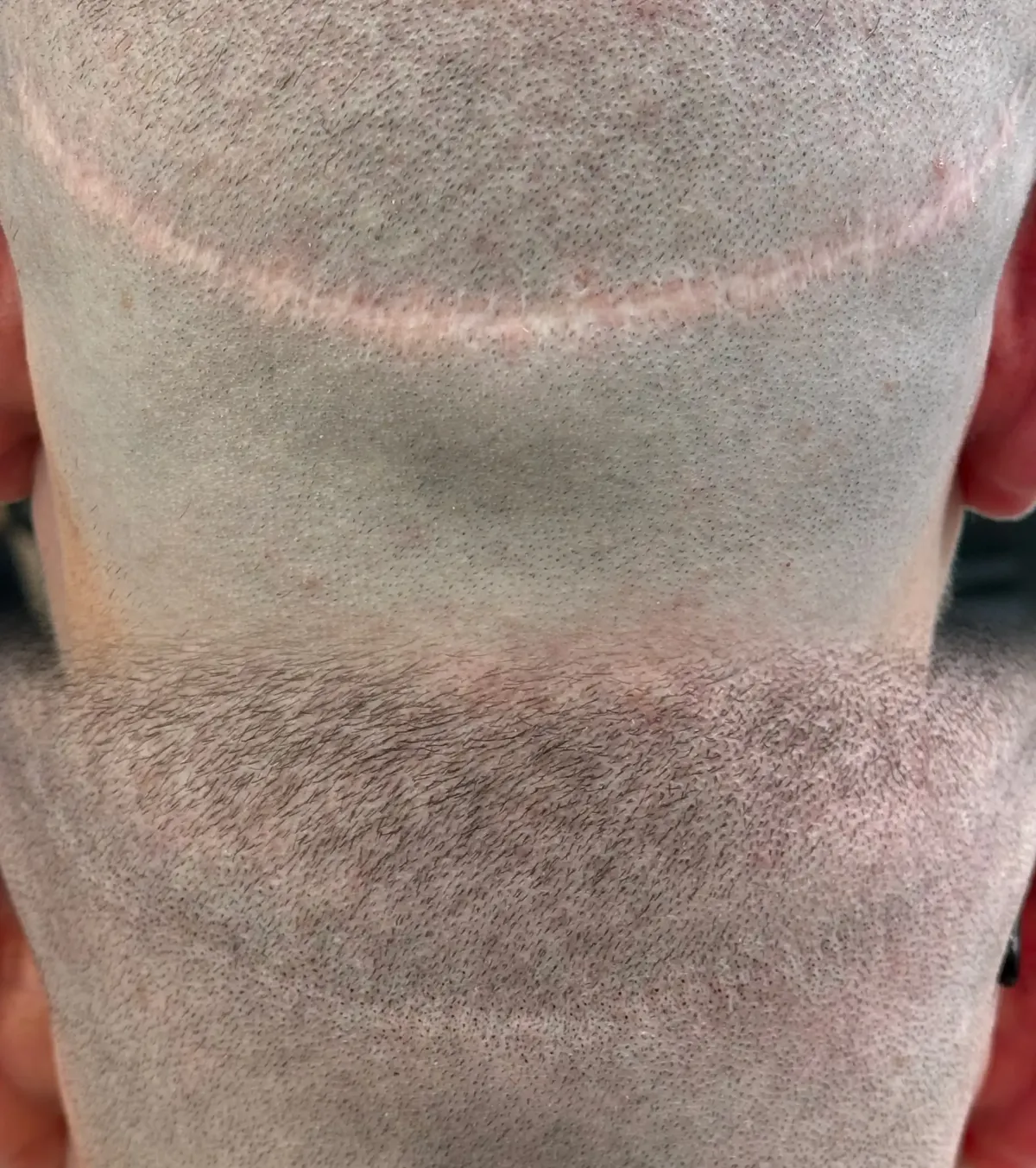
Hair transplant scars can sometimes create visible contrast,lighter scar tissue, patchy scalp appearance, density imbalance or visible extraction patterns. Using advanced scalp micropigmentation, scar camouflage is designed to soften visible contrast, restore scalp harmony, improve visual balance and create more natural integration.
Treatment May Help Improve The Appearance Of
FUT strip scars
FUE extraction scars
Hair transplant scars
Scalp scar discoloration
Density imbalance
Patchy scar visibility
● Every scalp requires individual evaluation · Consultation required
— Why It's Different
Why Hair
Transplant Scar
Camouflage
Is Different
Many people assume scar camouflage means making the scar disappear. That is not realistic. The objective is to reduce the visual contrast that causes the scar to draw attention.
The Result Should Look Natural — Not Covered.
Camouflage reduces the contrast that draws the eye, rather than masking the skin with heavy pigment.
The Goal Is
Softer appearance
Improved blending
Better scalp integration
Reduced visibility
Restore More Than Color
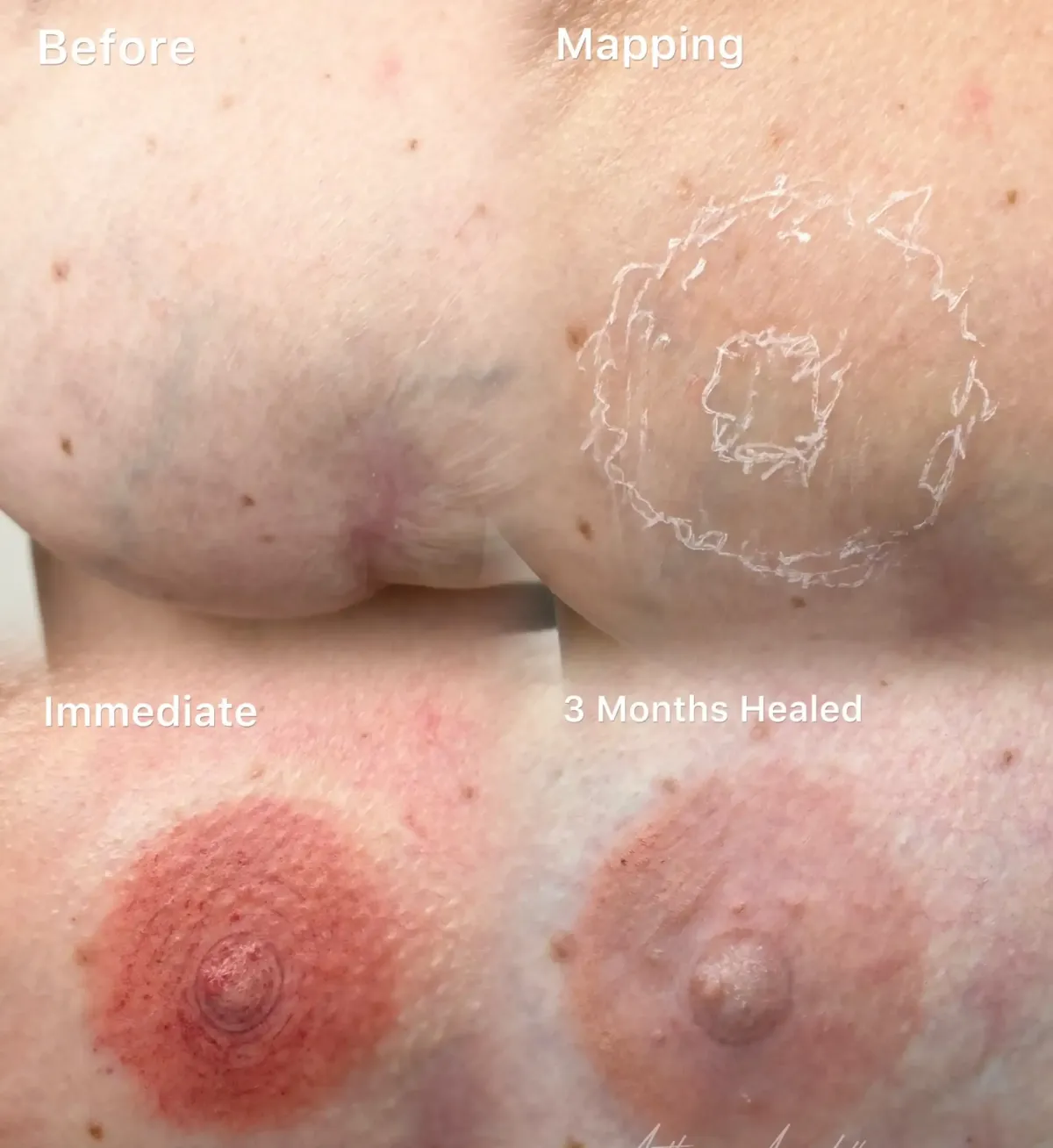
Areola Repigmentation™
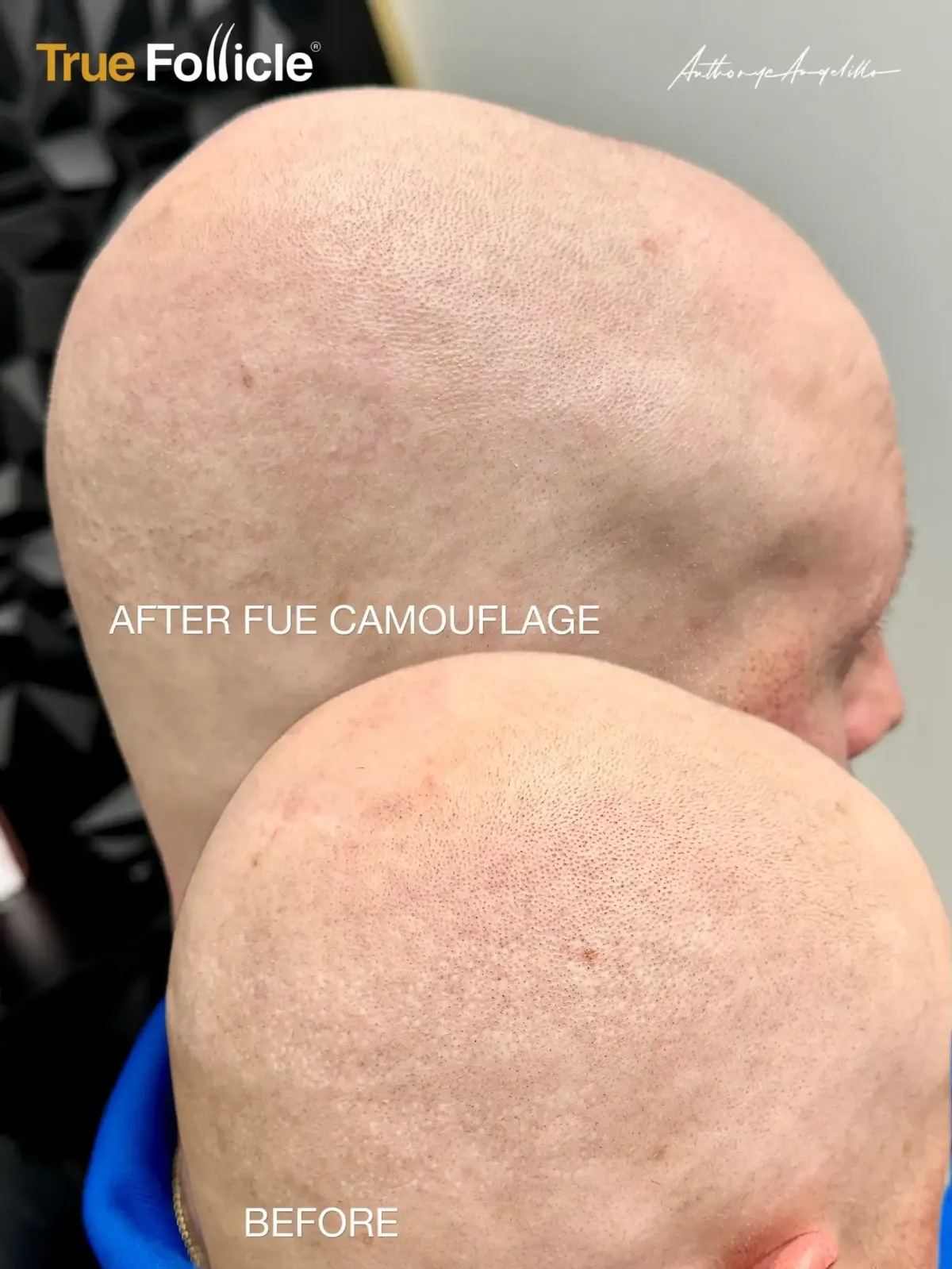
For many women, Areola Repigmentation is not simply about pigmentation. It is about feeling whole again, restoring visual balance, rebuilding confidence and reconnecting with their body.
Whether following surgery, reconstruction, pigment loss or asymmetry — the goal remains the same: natural-looking restoration.
Every Procedure Is Customized Based On
Skin tone
Undertones
Tissue condition
Scar tissue
Existing pigmentation
Long-term healing behavior
● Because restorative work deserves thoughtful planning Consultation required
Skin Tone Restoration
Hyper- &
Hypopigmentation Camouflage™
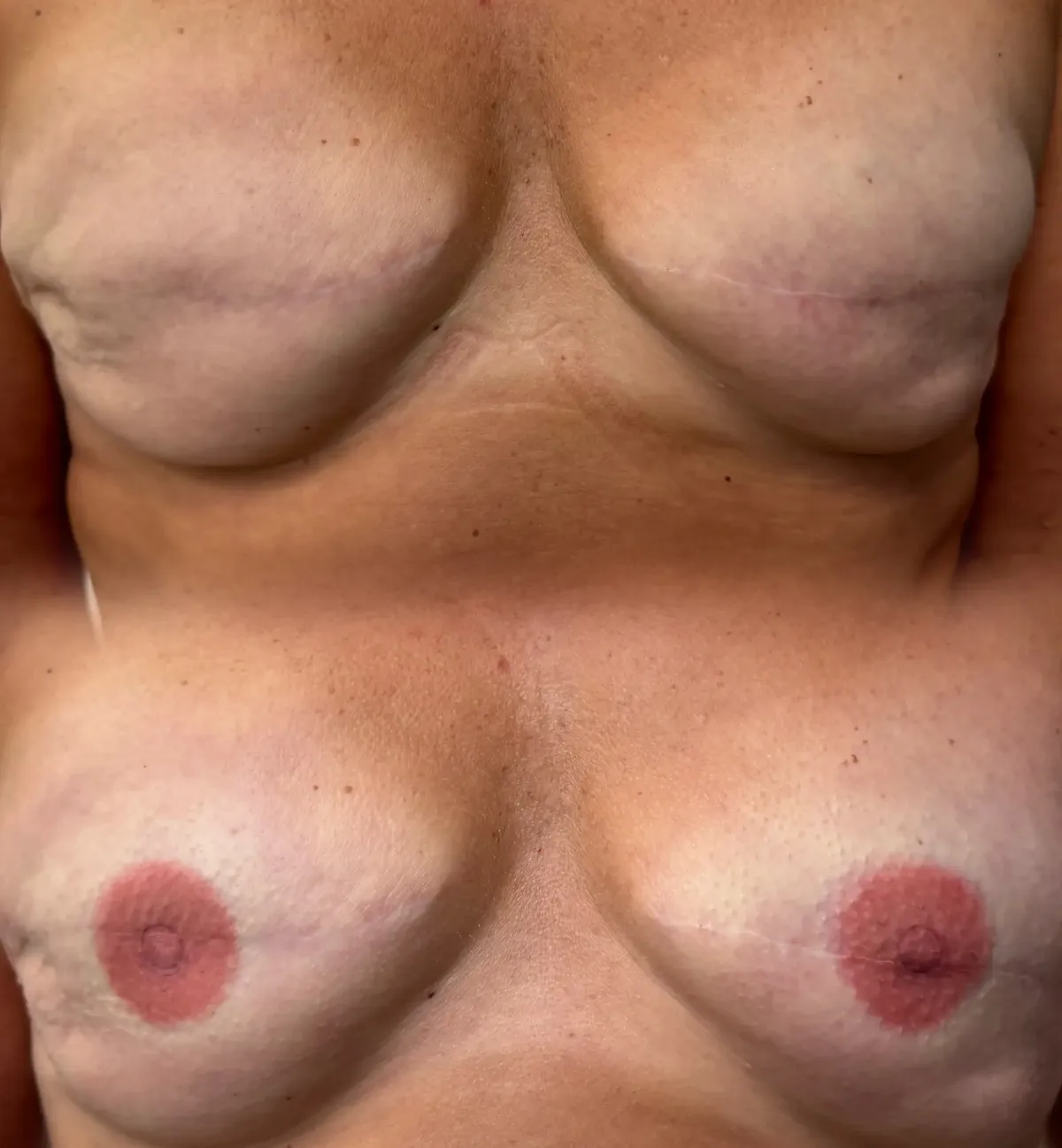
Uneven pigmentation may appear as lighter patches, darker discoloration, surgical color changes, scar discoloration or uneven skin tone. Corrective camouflage techniques are designed to reduce visual contrast, improve blending, create a more balanced appearance and support natural skin harmony.
Treatment May Help Improve
Hypopigmentation
Hyperpigmentation
Surgical pigmentation changes
Scar discoloration
Skin tone imbalance
Uneven healing
● Consultation Required
— Why Technique Matters
Scar Tissue
Behaves
Differently.
Scar tissue and compromised skin behave differently than untreated skin. Overworking the skin may eventually create:
Poor retention
Migration
Unnatural color behavior
Uneven healing
Texture changes
Because successful camouflage comes from precision, restraint and realism — not aggressive saturation.
That Is Why Restorative Tattoo Requires
Controlled implantation
Advanced color analysis
Pressure management
Conservative layering
Tissue-conscious planning
— Healed Quality
Fresh Results
Mean Very Little.
Healing Reveals
The True Quality.
Almost all restorative tattoo appears darker, stronger and more visible immediately after treatment. But true quality is revealed after healing, which reveals:
Skin response
Color integration
Blending
Softness
Realism
Healed > Fresh
That's why healed results matter far more than fresh photos — and why honest, realistic expectations are part of every plan.
Consultation & Treatment Planning
Never A One-Size-Fits-All Method
Every case is customized around skin condition, scar behavior, tissue integrity and realistic long-term expectations.
Every Paramedical Tattoo™ Procedure Includes
Skin assessment
Undertone evaluation
Aftercare education
Scar analysis
Treatment planning
Pigment matching
Healing guidance
Every case is customized based on skin condition, tissue integrity, scar behavior, pigmentation complexity and realistic long-term expectations — because restorative tattoo should never be approached with a one- size-fits-all method.
Restorative tattoo should never be rushed.
Scar Camouflage Connecticut
Serving Clients
Across Connecticut
Clients travel from across Connecticut for advanced restorative tattoo.
Wethersfield
Hartford
Rocky Hill
Glastonbury
Cromwell
Middletown
West Hartford
New Britain
Waterbury
New Haven
…for advanced Scar Camouflage, Areola Repigmentation, FUT & FUE Scar Camouflage, and Skin Tone Restoration procedures.
IDEAL FOR
WHO
WANT...
If several of these describe you, a consultation is the natural first step.
FUT hair transplant scars
Surgical scarring
Breast reconstruction support
Hypopigmentation
Skin tone imbalance
Seeking improved confidence
FUE extraction scars
Areola restoration
Hyperpigmentation
Scar discoloration
Seeking natural restoration
Customized Pricing
Paramedical Tattoo™
This is not traditional cosmetic tattoo — it's restorative, skin- focused tattoo designed for natural long-term integration
Treatment area
Scar condition
Pigmentation complexity
Tissue behavior
Treatment planning
Advanced restorative tattoo techniques
Customized pigment blending
Scar assessment
Skin analysis
Healed-result focused artistry
Specialized paramedical expertise
Meet
Anthonye Angelillo
His philosophy focuses on realism, controlled implantation, natural blending and long-term healed behavior. Rather than creating obvious camouflage, his work prioritizes subtle integration that heals naturally within the skin.
Hyper-Realistic SMP
Scar Camouflage
Areola Repigmentation
Skin Tone Restoration
Restorative Tattoo Techniques
Restorative tattoo should support confidence — not attract attention.
Hyper-Realism
Restorative Techniques
Skin-Conscious Implantation
Frequently asked questions
Still unsure?
Let's
address it
Can Scars Be Completely Erased?
No. Scar camouflage is designed to soften visibility and improve blending, not completely remove scars.
How Many Sessions Are Needed?
Treatment varies based on:
• scar condition
• pigmentation complexity
• tissue behavior
• and healing response.
Some cases require multiple sessions.
Will Results Look Obvious?
The goal is soft natural integration and realistic blending after healing.
Does Paramedical Tattoo Hurt?
Sensitivity varies by treatment area and tissue condition, but most clients describe treatment as manageable.
Is Consultation Required?
Yes. All scar camouflage, areola repigmentation, and pigmentation correction procedures require consultation before treatment.
Confidence Restoration Begins With Proper Technique
The most realistic treatment strategy
Your skin's suitability
And the best long-term restoration approach for your goals
© 2026 Micropigmentation · All Rights Reserved.